
Ruacana
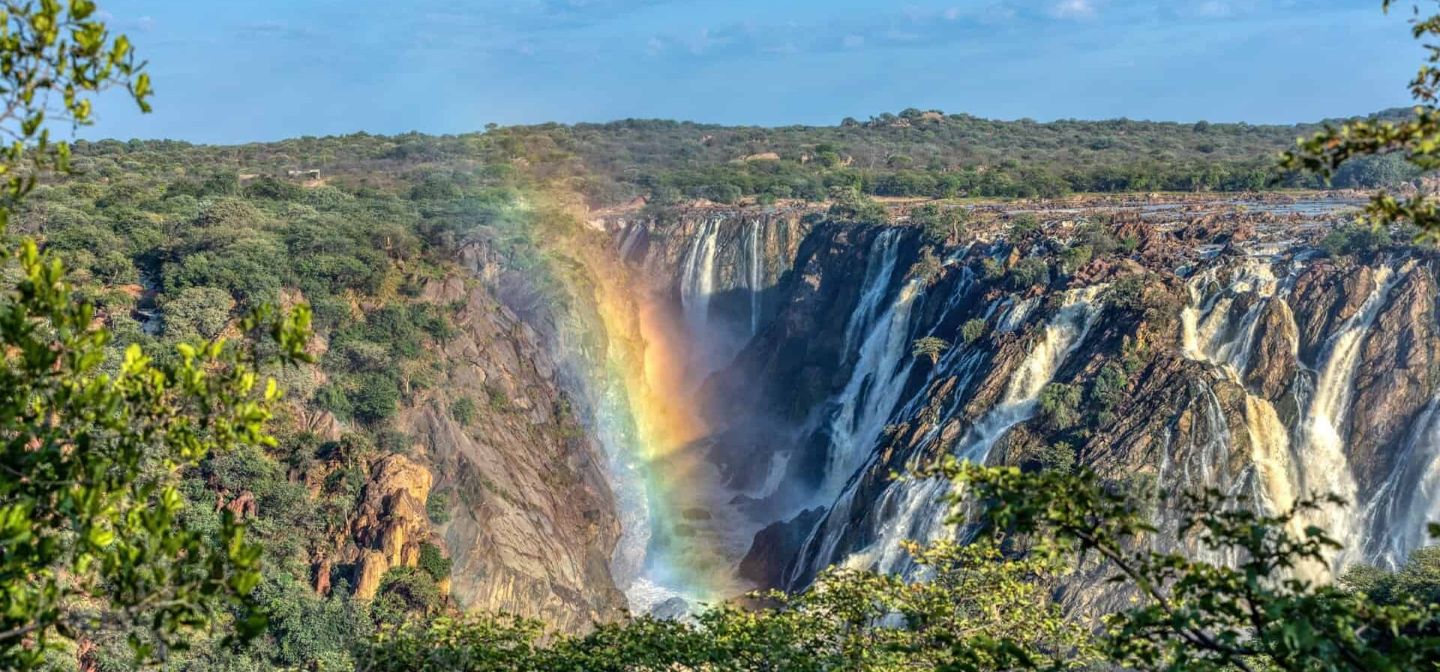
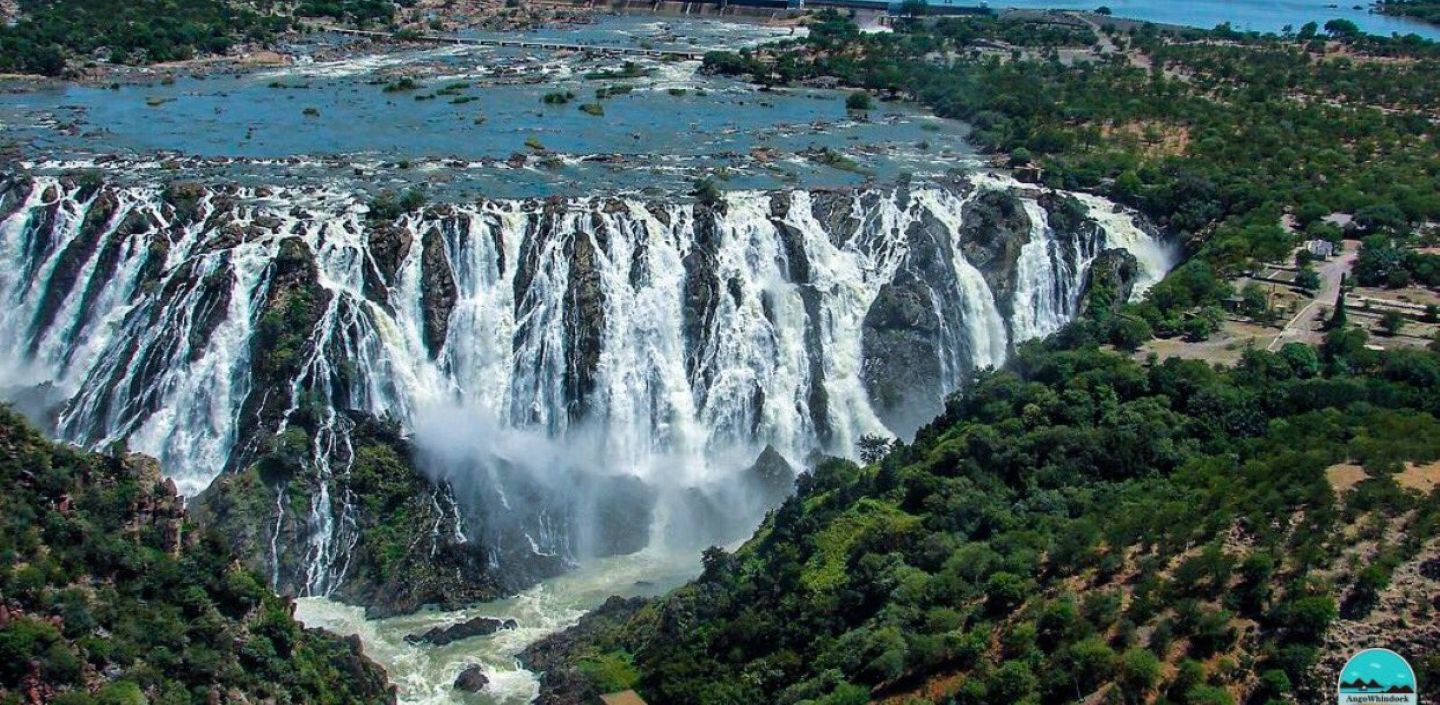
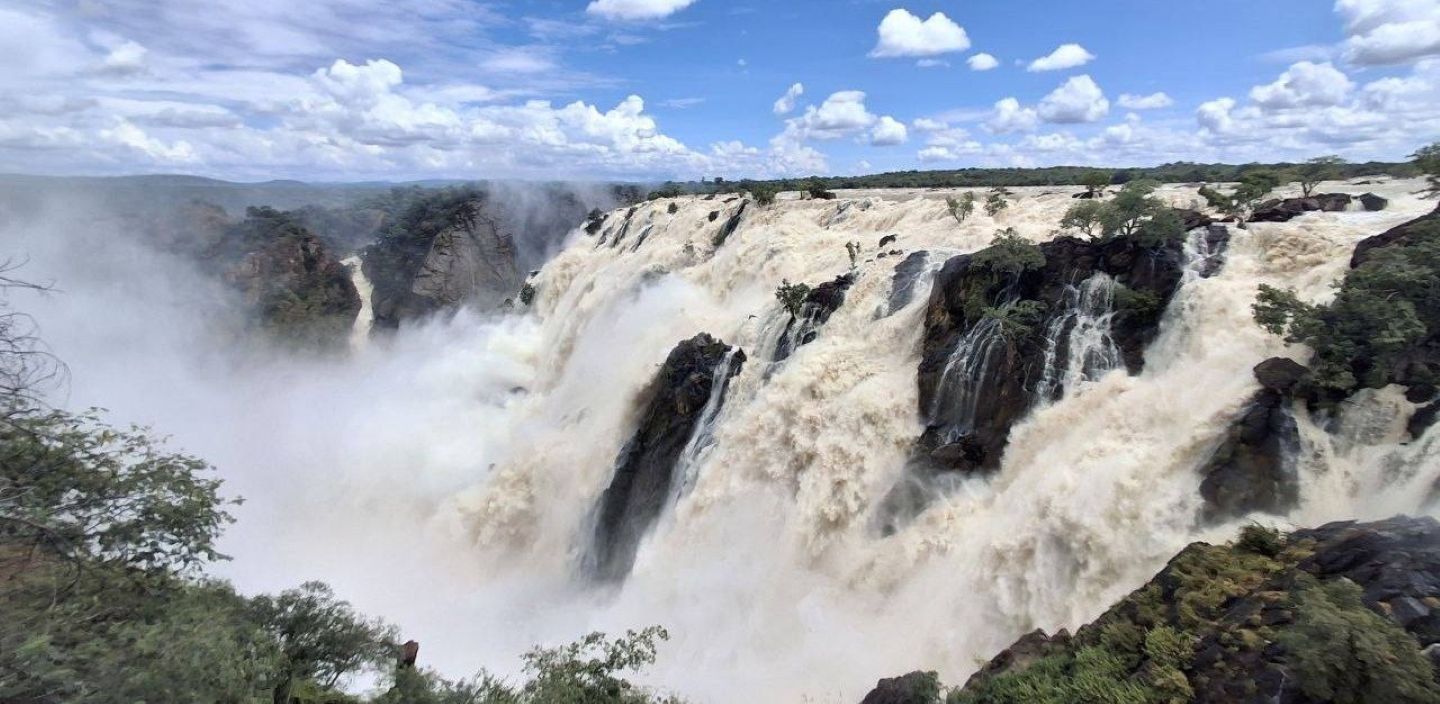
Ruacana Falls is among the largest waterfalls in Africa both based on volume and width. The Cunene (or Kunene) River drops 352 feet (107m) over a broad semi crescent shaped, angled scarp into a narrow gorge which straddles the border of Angola and Namibia (the falls are listed in the database as being within Namibia because the primary viewpoints are found within that country). At times of peak discharge the falls may stretch over 3500 feet wide, but because the volume of the Cunene River varies greatly from season to season the actual width and volume of the falls varies greatly.
Key features
-
Location:
On the border of Namibia and Angola, on the Kunene River. The Ruacana town is located at the meeting point of the Owamboland plains and the rugged mountains of Kaokoland, offering a diverse landscape with rock formations, savannahs, and desert terrain.
-
Culture:
The area is home to Himba communities and is a meeting point for different cultural groups.
-
Etymology:
The name "Ruacana" comes from the Otjiherero phrase "orua hakahana," which means "the hurrying of the water," a fitting name for the falls.
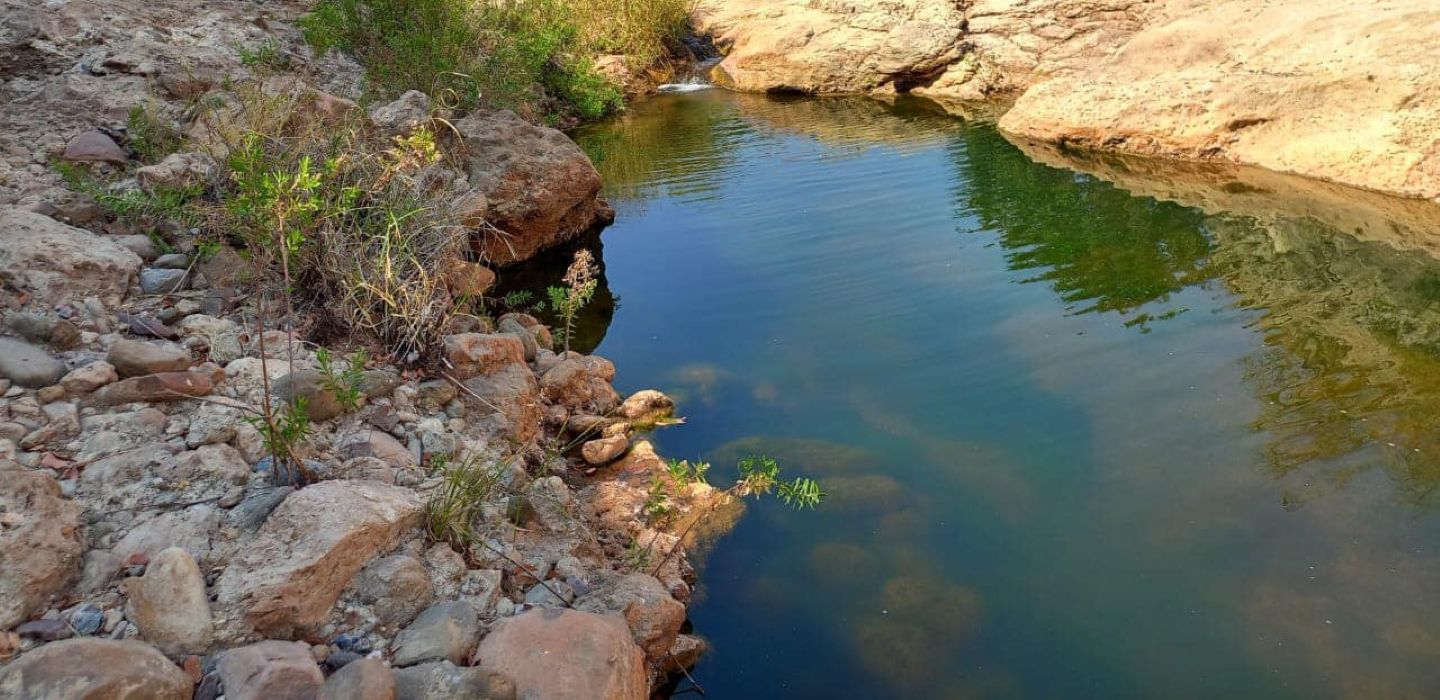
Additionally, the river has been harnessed for hydroelectric production immediately above the falls. During the dry season the river is syphoned off entirely and the falls run dry. From roughly December to June the annual monsoons provide ample sustenance to the river basin that the hydro project maxes out and the falls return to their impressive natural state.
This waterfall has been incorporated into a hydroelectric scheme and as a result may not flow consistently year round.
Seasonal Discharge: This waterfall occurs along a stream that is known to vary greatly in volume and as a result may not flow consistently year round or may dry out completely during certain periods.

